


Welcome to The Dry Eye Clinic at Clarity Eye Care.
We are committed to providing our patients with relief from the discomfort and frustration that dry eye and ocular surface disease can cause. To achieve this, we focus on providing a thorough examination to not only help relieve symptoms, but to address the underlying cause. Just as no two patients are alike, our treatment plans are custom designed to help meet each patient’s unique needs. We strive to bring you all the latest innovations and technology in the eye care field while maintaining the small town care you know and expect from our office.
Did you know approximately 38 million Americans have chronic dry eye disease?
Dry eye and ocular surface disease cause symptoms that can have a big impact on your quality of life.

Dry eye disease doesn’t always feel “dry”. In fact, dry eye and ocular surface disorders may make your eyes water more. Common symptoms may include:
Burning and stinging
Watery eyes
Blurred vision
Sandy/gritty or foreign body sensations
Pain and irritation
Mucous discharge and excess debris on lids and lashes
Redness
Light Sensitivity
Eye fatigue or eye strain
Diagnosing Dry Eye and Ocular Surface Disease
During your evaluation, a variety of factors are considered to ensure we accurately diagnose the cause of your dry eye or ocular surface disease. Your evaluation will be tailored to your individual needs and will include a thorough assessment of your dry eye symptoms.
Additional testing may include utilization of dry eye questionnaires, testing for the presence of inflammation utilizing mmp-9 biomarker analysis, tear volume analysis with Shirmer testing, tear break up time, and assessment of meibomian glands, lids and lashes.
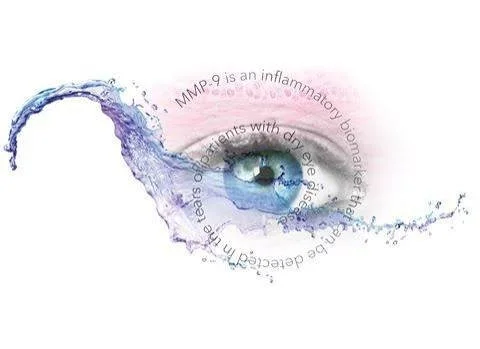
What is MMP - 9 testing?
Our clinic utilizes Inflammadry MMP-9 testing to determine the levels of inflammatory markers in your tear film. Testing is performed in our clinic with results available during your visit. Inflammadry results are a key factor in determining which treatment plan is right for your individual needs.
Treatment Options
Once a correct diagnosis is determined, treatment plans will be customized to each patient and geared towards not only treating symptoms but addressing the underlying cause. Treatment options may include:
OTC or prescription drops, sprays, and gels to help reduce inflammation and improve tear volume and quality.
Oral medications to treat inflammation, lid disease, or meibomian gland dysfunction
Blepharitis and meibomian gland dysfunction treatment and control.
Nutritional supplementation and vitamins
Intense Pulsed Light (IPL) treatments
Bandage lenses and amniotic membranes
Autologous serum tears
Punctal occlusion
Eyelid hygiene
Meibomian gland expression
Heat therapy and Bruder masks
Demodex eradication
Contact Us
Office Hours:
Monday: 9:00 a.m. - 5.00 p.m.
Tuesday: 9:00 a.m - 6.00 p.m.
Wednesday: 9:00 a.m. - 5:00 p.m.
Thursday: 9:00 a.m. - 6:00 p.m
Friday: 9:00 a.m. - 5:00 p.m.
Have a Question?
Our eye care staff is happy to assist you with any questions or concerns you may have. We also accept electronic appointment requests. Simply let us know your availability and we will do our best to accommodate your requests.